
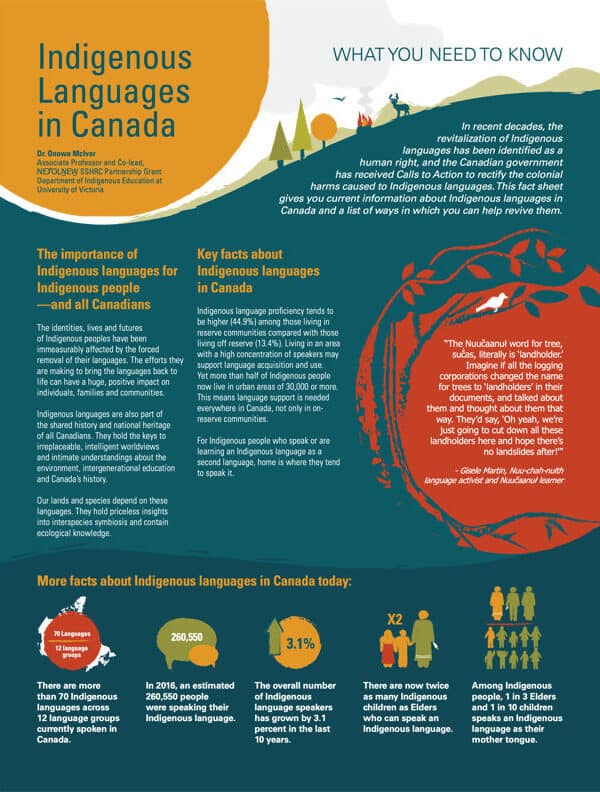
Indigenous languages in Canada: What you need to know

On the 11th anniversary of the signing of the United Nations Declaration on the Rights of Indigenous Peoples (Sept. 13, 2007), the Canadian Commission on UNESCO published a three-page quick-facts and ...

‘Let the Languages Live’ Conference
The UVIC Team and many of the NEȾOLṈEW̱ Partners and collaborators attended the HELISET TŦE SḰÁL conference on June 24-26, 2019, held on the territories of the Lekwungen speaking Peoples....
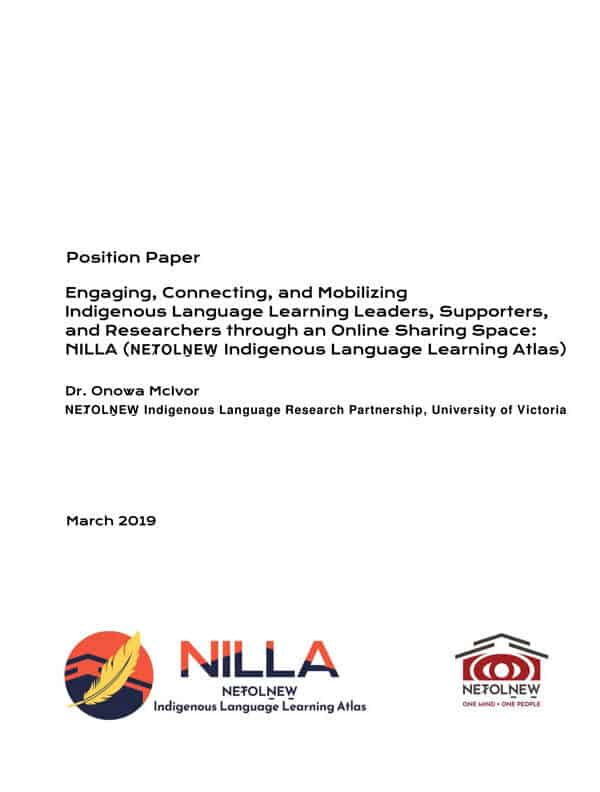
NILLA Position Paper
This paper reports the outcomes from two community engagement events with Indigenous partners and allies, on a) the development of NILLA, and b) more broadly our position on strengthening research by ...
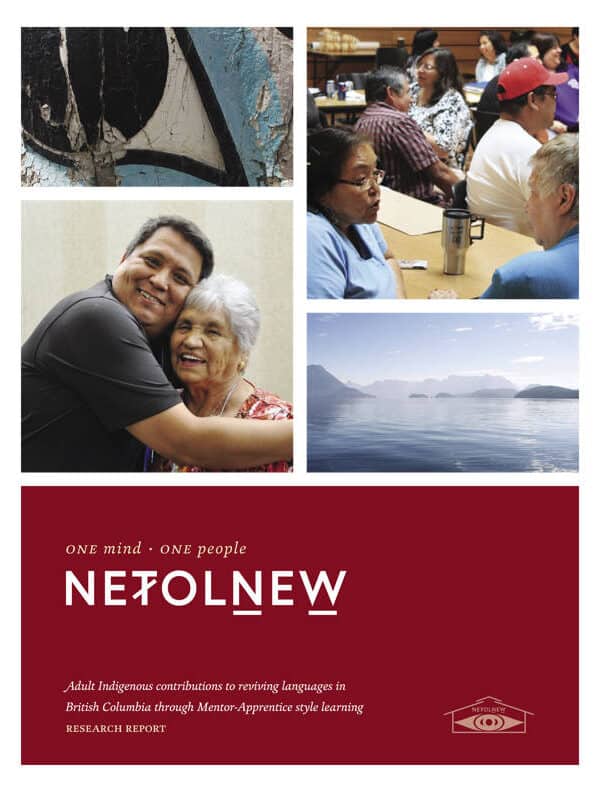
MAP Research Report
Adult Indigenous contributions to reviving languages in BC through Mentor-Apprentice style learning....

Reviving Your Language Through Education
Dr. Onowa McIvor, together with the First Nations Schools Association and the First Nations Education Steering Committee, created Reviving Your Language Through Education, a workbook designed to assis...
Home-Based Language Learning
In this NEȾOLṈEW̱ VLOG Series video, NILLA Coordinator and Research Assistant Robby Smoker-Peters (Nlaka’pamux) shares useful language revitalization and maintenance resources in the topic of ho...
Assessment Tool Report
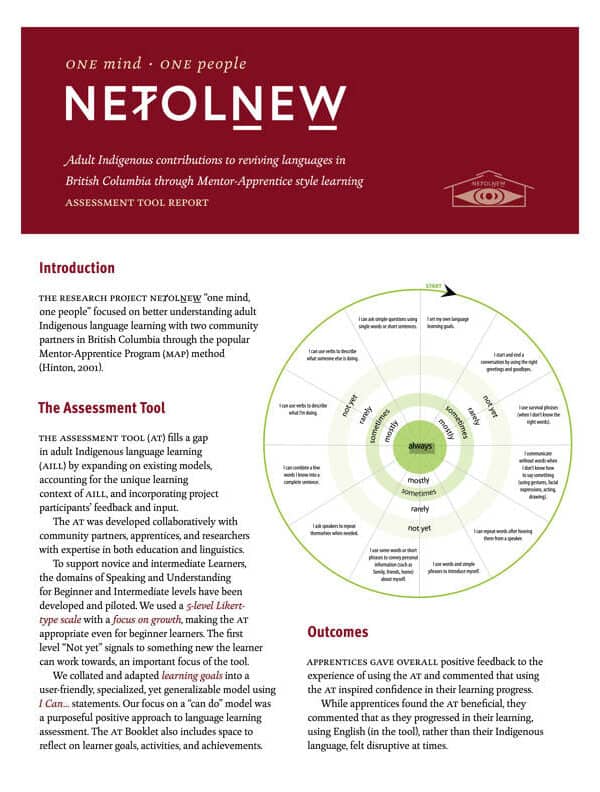
NEȾOLṈEW̱’s Indigenous Language Learning Assessment Tool is designed for learner-driven approaches like the Mentor/Master-Apprentice Program (MAP) where it is the learner’s responsibility to...
Assessment Tool
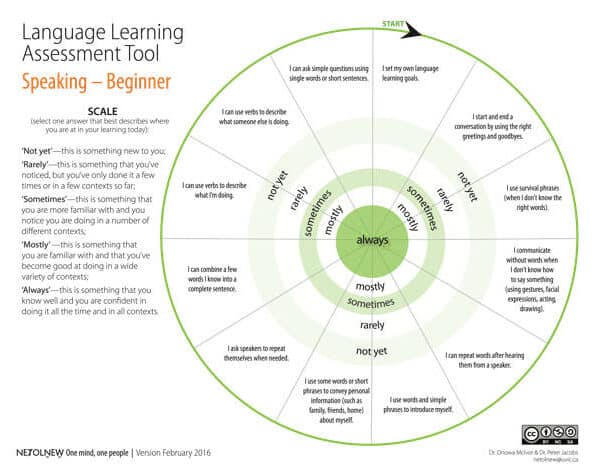
ÍY SȻÁĆEL, Gilakas'la, Ha7lh Skwáyel, tanisi (greetings) - If you are an adult learner of an Indigenous language, the following pages are intended to help you understand where you are at in your ...

The connection between health and well-being and Indigenous language use and learning
This annotated bibliography aims to contribute to a better understanding of and document current trends as well as gaps in the published literature on Indigenous language use and learning and their co...